The Bernese Oberland – Mountains, Lakes and Traditional Swiss Alpine Villages
- Maurice Nyffeler
- vor 2 Tagen
- 3 Min. Lesezeit

Picture: Foto von Peter Borter auf Unsplash
The Bernese Oberland is one of the most famous and scenic regions in Switzerland. Known for its spectacular mountain landscapes, crystal-clear lakes and traditional alpine villages, the area attracts visitors from around the world in every season.
Stretching across the southern part of the canton of Bern, the region includes world-famous destinations such as Wengen, Grindelwald, Lauterbrunnen and Gstaad. Despite their international popularity, many villages have preserved their authentic Swiss alpine atmosphere and traditional charm.
A Landscape Shaped by the Alps
The Bernese Oberland is best known for its dramatic mountain scenery. Towering peaks, glaciers, waterfalls and green alpine valleys create some of the most iconic landscapes in Switzerland.
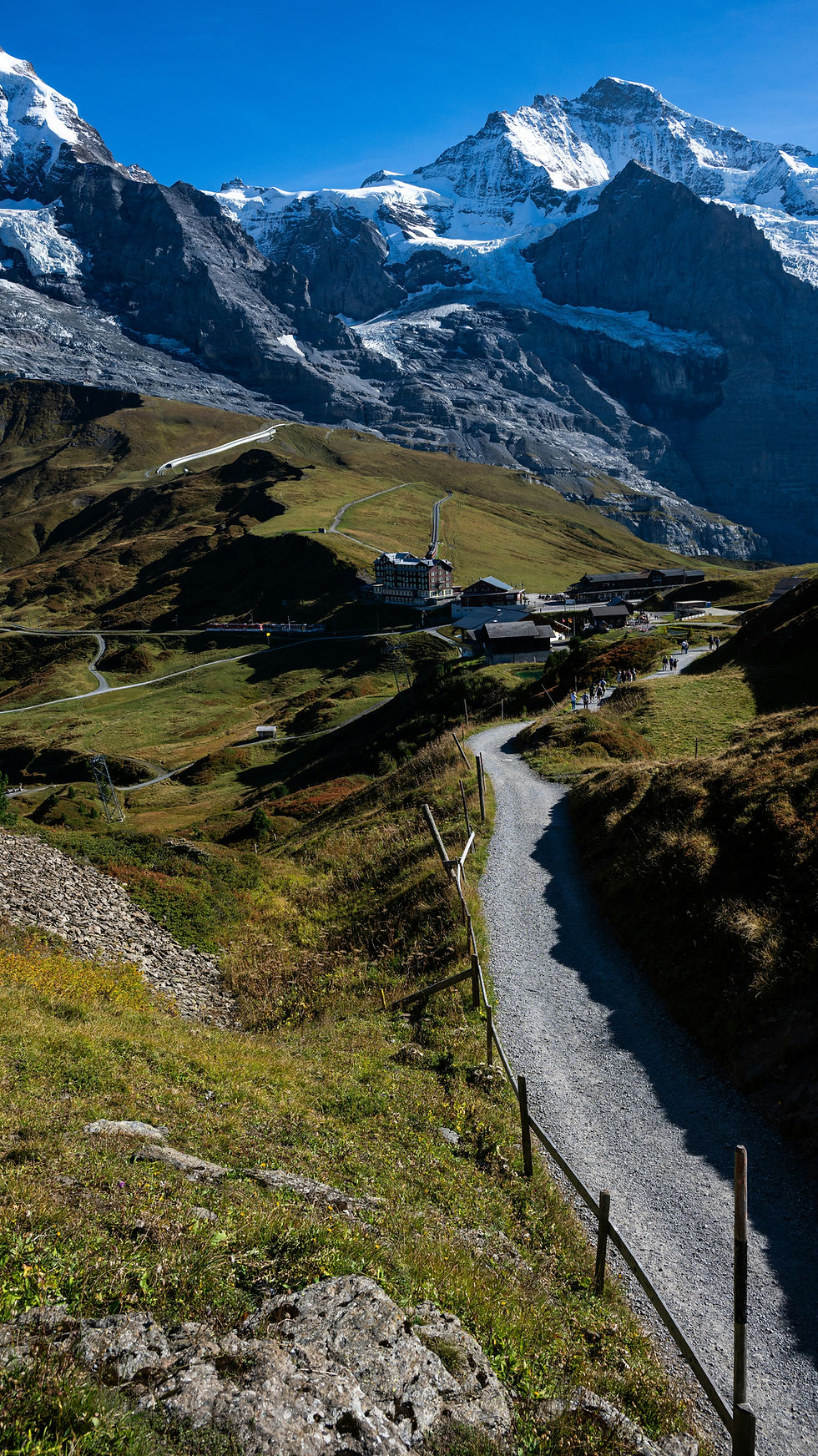
The famous mountains Eiger, Mönch and Jungfrau dominate the eastern part of the region and attract hikers, climbers and photographers throughout the year. Around Wengen and Lauterbrunnen, visitors find steep cliffs, glacier views and countless hiking trails leading through alpine meadows and mountain forests.
Further west, destinations such as Gstaad offer a different but equally beautiful alpine experience with rolling valleys, luxury chalets and traditional Swiss villages surrounded by peaceful mountain scenery.
Wengen and the Jungfrau Region
One of the highlights of the Bernese Oberland is the Jungfrau Region, where Wengen is located.
The car-free village of Wengen sits high above the Lauterbrunnen Valley and is famous for its panoramic views, quiet atmosphere and excellent access to skiing and hiking areas. During summer, visitors explore mountain trails and alpine landscapes, while winter transforms the region into one of Switzerland’s leading ski destinations.
The nearby Jungfraujoch, often called the “Top of Europe,” is one of the most visited mountain attractions in the country.
Wengen represents the traditional alpine side of the Bernese Oberland — peaceful, scenic and closely connected to nature.
Also in the Berner Oberland: Gstaad – Alpine Luxury and Swiss Elegance
While Wengen is known for its mountain charm and hiking culture, Gstaad has become internationally famous for luxury tourism and exclusive alpine hospitality.
Despite attracting celebrities and international visitors, Gstaad has carefully maintained its traditional Swiss village character. Wooden chalets, elegant hotels and beautifully maintained streets give the village a unique atmosphere that combines alpine authenticity with understated luxury.
During winter, Gstaad offers excellent skiing and winter sports, while summer brings hiking, cycling, golf and cultural events to the region.
The slogan often associated with Gstaad — “Come up, slow down” — perfectly reflects the relaxed lifestyle and peaceful surroundings of the Bernese Oberland.
Lakes, Railways and Scenic Journeys
Beyond the mountains, the Bernese Oberland is also famous for its beautiful lakes, including Lake Thun and Lake Brienz. Their turquoise waters create a stunning contrast against the surrounding alpine peaks.
The region is connected by one of the world’s most scenic railway systems. Mountain trains, panoramic railways and cable cars allow visitors to explore remote valleys and high alpine viewpoints with ease.
Popular excursions include:
Jungfraujoch – Top of Europe
Schilthorn
Kleine Scheidegg
Lake Thun cruises
Lake Brienz cruises
Glacier 3000 near Gstaad
Schynige Platte
These journeys are often considered highlights of a trip through Switzerland.
Outdoor Activities Throughout the Year
The Bernese Oberland offers outdoor activities for every season.
During summer, visitors enjoy:
Hiking
Mountain biking
Paragliding
Climbing
Swimming in alpine lakes
Winter transforms the region into a paradise for:
Skiing
Snowboarding
Winter hiking
Sledging
Snowshoe tours
Both active travellers and guests looking for relaxation will find countless opportunities to enjoy the Swiss Alps.


Kommentare